
The European Commission AI assisted cyberattack took several of its own internal systems offline after the Commission detected a cyber campaign that used artificial intelligence tools. The disruption lasted more than 10 days, it hit the systems staff use for pay, leave and medical claims, and the Commission has still not said who was behind it.
That is the core of the story, and it is also a warning for every other organisation. The target was not a small business with no security team. It was the executive arm of the European Union, an institution with its own dedicated cybersecurity service, CERT-EU. The European Commission AI assisted cyberattack still caused more than 10 days of disruption, and the question of whether attackers took staff personal data is still open.
The Commission confirmed the incident in public on 19 November 2026, almost four weeks after the Commission first detected it. The confirmation followed a report that morning by Politico, in its Brussels Playbook newsletter. SecurityWeek published its report on the confirmation on 20 November 2026. Where a detail in this post about the European Commission AI assisted cyberattack comes from reporting rather than from the Commission itself, this post says so.
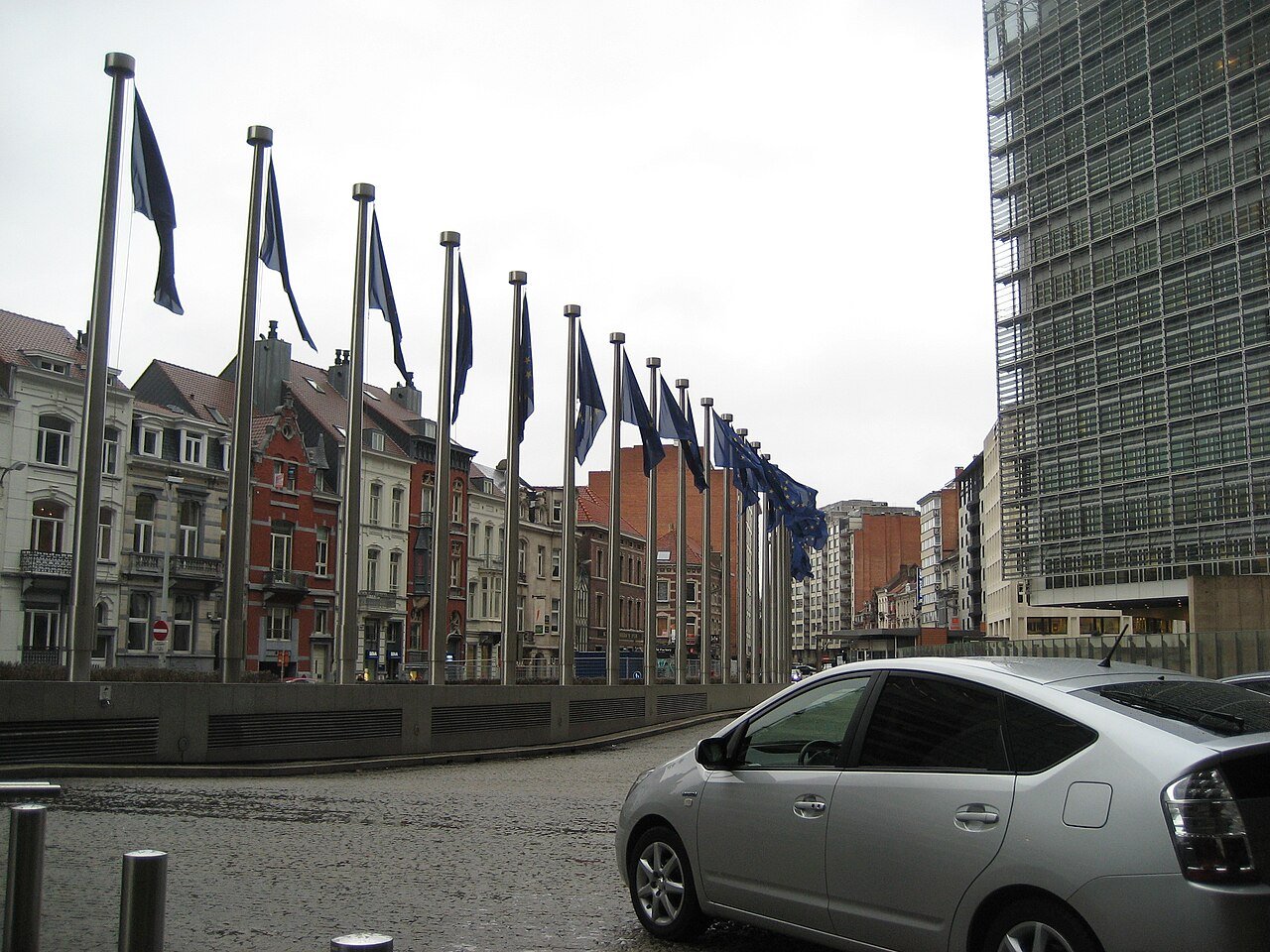
European Commission AI assisted cyberattack: what happened, in the order it happened
The Commission first detected suspicious activity on 22 October 2026. After an initial investigation, it confirmed the activity as a cyberattack on 26 October 2026. The Commission opened an investigation, took mitigation steps, and took several applications down as a protective and preventive measure. The Commission has since restored most of those applications.
Commission spokesperson Thomas Regnier stated that position at the press briefing on 19 November 2026. He said, in the words reported by SecurityWeek and Infosecurity Magazine: As a protective and preventive measure, we temporarily took down several applications, and most of them have since then been restored. We are taking any necessary steps based on the findings, as they come.
Regnier also confirmed that the campaign was AI generated and that it involved the misuse of a publicly available AI tool. He said AI assisted tools can be used and especially misused to detect vulnerabilities, and he confirmed that this was done with AI tools. Regnier did not name the tool, did not name an attacker or a group, and said he was not aware of a ransom demand made to the Commission. The investigation is still ongoing, he said.
On staff data, Regnier said the investigation had found no evidence of a data breach affecting Commission staff as a whole. That wording matters. It does not mean that attackers took no data from any individual system. It is a statement about what the investigation had detected at that stage, for staff as a whole. The Commission said it was preventively checking other systems. It was staying in close contact with CERT-EU and the European Data Protection Supervisor, known as the EDPS. The Commission had notified the EDPS.
What the European Commission AI assisted cyberattack took offline
The Commission did not name the affected applications in the public briefing. The list of systems the European Commission AI assisted cyberattack took offline comes from reporting by Politico and Euronews. According to Politico, the systems taken offline included Sysper, the Commission human resources platform, and MyPMO, the system for medical reimbursements. Sysper is the platform staff use to access payslips, submit timesheets, and request vacation time. MyPMO handles medical reimbursement claims. Translation services also went offline.
Both Sysper and MyPMO came back online earlier in the week of the public confirmation, according to The Register and SecurityAffairs, but Sysper fell over again on Wednesday, 18 November 2026. Translation services went offline on 17 November 2026. Euronews reported on 19 November 2026 that Sysper was working again that Thursday, while JSIS, the Joint Sickness Insurance Scheme, the staff health insurance portal, was still unavailable. That JSIS detail comes from Euronews reporting, based on two EU officials. The Commission briefing did not confirm it.
Some staff could not book time off or submit timesheets for much of the disruption. Some could not access payslips or submit medical claims while the systems were down. Salaries still landed on time, according to staff Politico spoke to. That detail is worth stating plainly, because a payroll system outage can easily be misread as a pay failure. In this case, reporting says pay arrived as usual.
What the Commission did not say
The Commission has not said how the attackers first gained access. Nor has it named the vulnerability the attackers exploited. The Commission has not named the AI tool used, and it has not attributed the attack to a country, a group, or a motive. Regnier declined to discuss attribution, and he declined to characterise the scale of the attack. Euronews also reported that he declined to confirm whether the attack was still ongoing.
The tool linked to the attack in reporting: ARTEX
The name most readers will see attached to this incident is ARTEX. That name did not come from the Commission spokesperson. It came from reporting, attributed to an EU official and to CERT-EU detection work. According to Politico sources, as reported by The Register, the Commission cybersecurity defenders detected hackers using ARTEX in the European Commission AI assisted cyberattack, a publicly available AI powered penetration testing framework. SecurityWeek reported the same distinction carefully. Regnier has not named the AI tool used, but the disclosure came roughly two weeks after CERT-EU warned of threat actors using Artex to target its constituency.
ARTEX is not a single AI model. It is an open source, large language model driven, autonomous penetration testing platform. CERT-EU described it on 5 November 2026. According to CERT-EU, ARTEX takes a security objective in natural language and breaks it into goals and intents. One or more agent workers then carry out reconnaissance and testing steps autonomously, using real tooling rather than simulated actions. It does not include its own AI model. It connects to an external large language model chosen by the operator.
The original author made the repository unavailable in October 2026, after reports of misuse. CERT-EU said the publicly available versions are now independent forks rather than an official upstream release. The Register reported the same point: the developer pulled the project GitHub repository in October, but by then the code was out in the wild, and anyone wanting to use it could get hold of one of several forks. Removing the original repository did not remove the tool. A developer using the name Autumn-27 released ARTEX in July 2026, according to Business Standard and other reporting.
The warnings came before the public confirmation
CERT-EU warned about ARTEX on 5 November 2026, two weeks before the Commission confirmed the European Commission AI assisted cyberattack in public. CERT-EU said it had observed several threat actors around the world using ARTEX to automate their campaigns, and that ARTEX rapidly identifies and exploits misconfigurations in addition to targeting traditional software vulnerabilities. It said similar AI driven activities against its constituency highly likely involved the use of ARTEX. It assessed that public availability will likely lead to more frequent, faster, and more scalable automated attacks with a higher success rate.
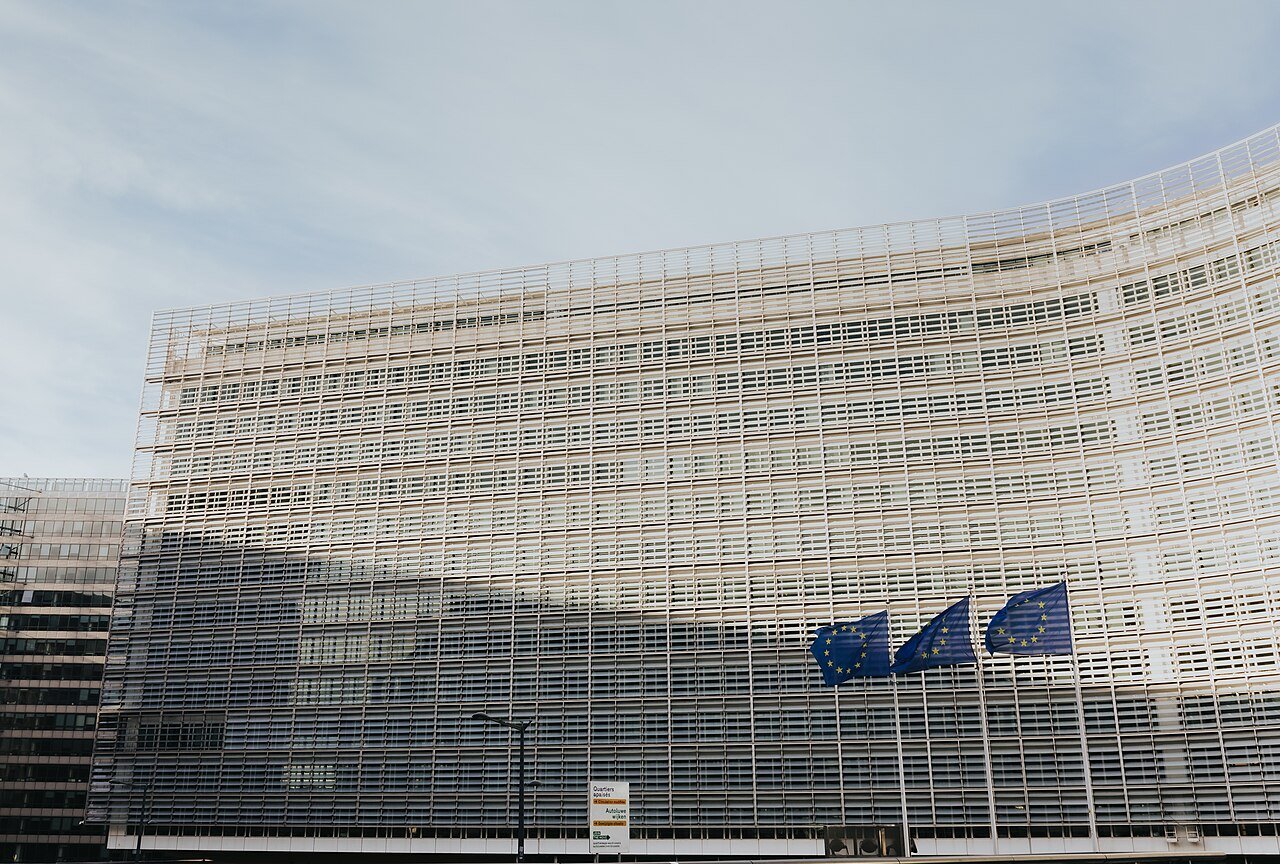
The FBI warning
The FBI issued its own warning six days before the Commission confirmation, on 13 November 2026. Its FLASH advisory warned that a variety of malicious cyber actors have used ARTEX to conduct campaigns targeting organisations globally since at least August 2026. The sectors named in reporting of the advisory include financial services, government, technology, defence, semiconductor, energy, healthcare, manufacturing, telecommunications, and legal services. Research cited in the advisory counted more than 1,600 ARTEX consoles exposed on the internet in early November 2026.
The Register reported that, in some attacks detailed by the FBI, hackers went from identifying a target to obtaining privileged access in less than three hours. That speed is the change that matters. What used to take a skilled operator days or weeks can now happen in hours. Frameworks like ARTEX let a single actor stand up fleets of agents that plan, probe, exploit, and move laterally with almost no further human input after the initial goal is set. That description comes from Snehal Antani, chief executive of security firm Horizon3.ai, speaking to The Register. Antani also told The Register that government backed hackers and ordinary cybercriminals increasingly draw from the same toolbox, which makes attribution harder. The presence of a publicly available tool does not, by itself, identify the attacker. It identifies the method, not the motive or the sponsor.
Why these systems matter
Sysper, MyPMO, and JSIS hold exactly the kind of personal data that is useful for further attacks. Sysper holds payroll, leave, and timesheet data. MyPMO holds medical reimbursement claims. JSIS is the staff health insurance system. Together, those systems can hold names, pay grades, home addresses, contact details, and health related claim information. Medical reimbursement data is sensitive personal data, and its exposure would carry a higher privacy risk than a simple name and work email address.

Even without a confirmed mass breach, HR data can support targeted attacks against individual staff. An attacker who knows a person name, role, pay grade, and contact details can craft a far more convincing phishing message than an attacker working from a public directory alone. The Commission has not confirmed that any of that data was accessed. The point here is about risk, not about a confirmed outcome. That risk is why the Commission notified the EDPS, and why the Commission said it is preventively checking other systems. Under EU Regulation 2018/1725, the Commission must normally report a confirmed personal data breach to the EDPS within 72 hours. If it creates a high risk for individuals, the Commission must also inform them without delay. SecurityAffairs noted that those deadlines only start once a personal data breach has been confirmed.
What the European Commission AI assisted cyberattack means, and what to check this week
The European Commission AI assisted cyberattack removes two common excuses. The first is that AI assisted attacks are a future risk. They are not. CERT-EU warned on 5 November 2026, the FBI warned on 13 November 2026, and the Commission confirmed on 19 November 2026 that it had been dealing with an AI generated campaign since 22 October 2026. The second excuse is that only poorly defended organisations are at risk. The Commission has a dedicated cybersecurity service and internal crisis procedures, and it still lost more than 10 days of access to core staff systems.
For other organisations, the practical check is short. Reduce internet exposure, isolate management panels, patch exposed assets, enforce multi factor authentication on critical systems, monitor privileged accounts, and fix low severity misconfigurations instead of leaving them in a backlog, because an automated tool can chain them together. For individual readers, be alert for phishing that uses role, pay, or medical claim details, verify requests through a separate channel, and report suspicious messages.
What to watch next
Three questions remain open. First, whether staff data was accessed. Second, the full list of affected systems and the entry point. Third, whether the Commission publishes lessons learned.
Until those updates arrive, the safe facts about the European Commission AI assisted cyberattack are these. The Commission detected a cyber campaign on 22 October 2026 and confirmed it on 26 October 2026. It took several applications offline as a protective measure and restored most of them by 19 November 2026. It confirmed in public on 19 November 2026 that the campaign was AI generated and involved a publicly available AI tool.
Reporting links the campaign to ARTEX, but the Commission has not named the tool in public. The investigation had detected no evidence of a data breach affecting Commission staff as a whole at the time of the briefing. The Commission knew of no ransom demand, and no one had named an attacker. The investigation is still ongoing. The right response is to learn from the confirmed parts, to prepare for AI assisted probing at higher speed and scale, and to keep watching for the official update on staff data.
Pingback: VMware vCenter CVE-2026-123890 patch